- Home
- About Us
- Background
- Mandate
- Cubango Okavango River Basin
- Governance
- Strategy and Approach
- Member States
- Our Work
- Partners
- Climate Resilient Infrastructure Development Facility (CRIDF)
- European Union (EU)
- Southern African Development Community (SADC)
- Swedish International Development Cooperation Agency (SIDA)
- The World Bank (WB)
- United Nations Development Programme (UNDP)
- United States Agency For International Development (USAID)
- Resources
- News and Events
- Opportunities
- Contact Us
- FAQ's
- Connect With Us
- i
- t
- f


Joint Surveys for Water Quality & Hydrological Flows Baseline Assessment
Monday, March 9, 2020


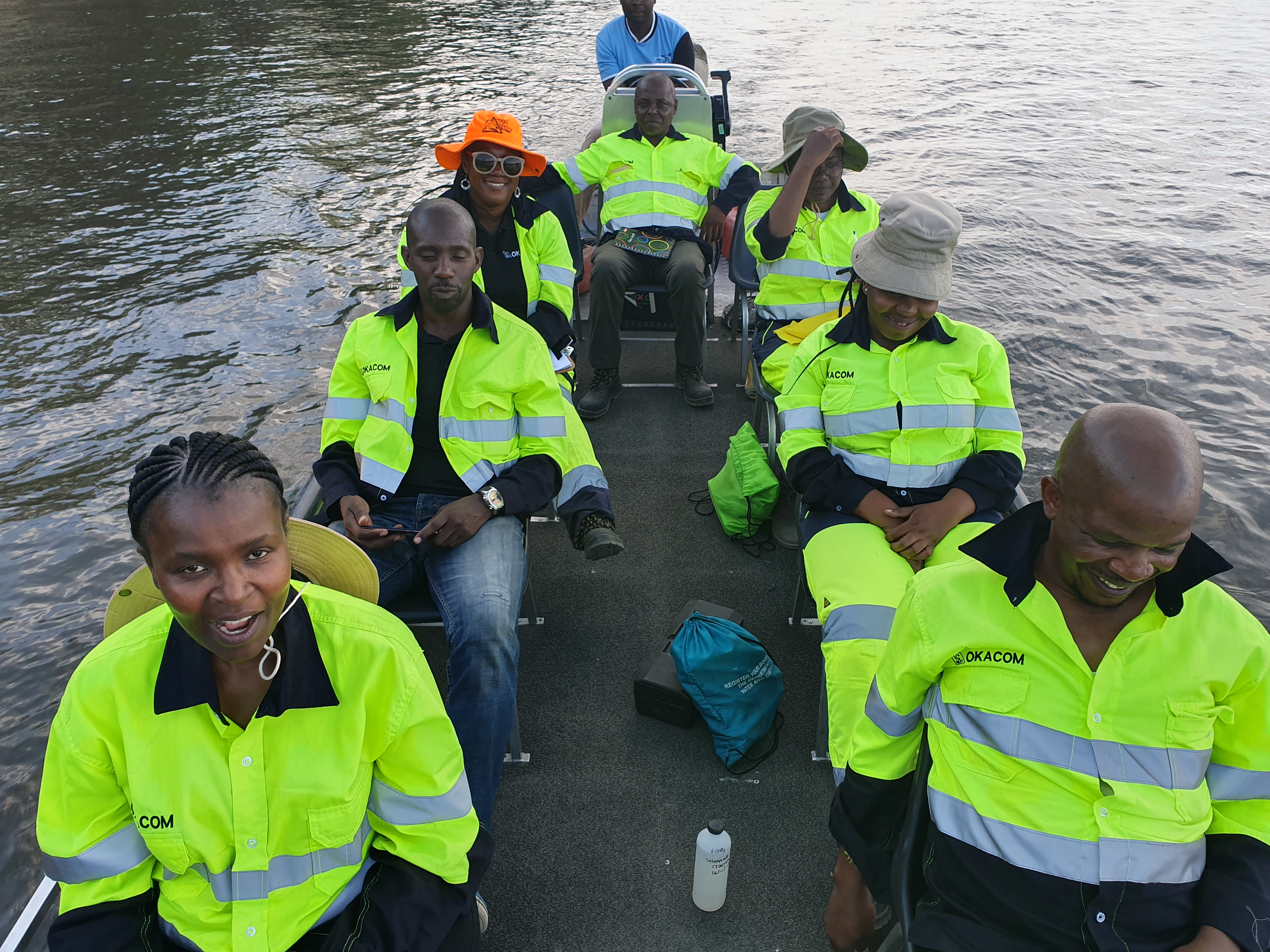
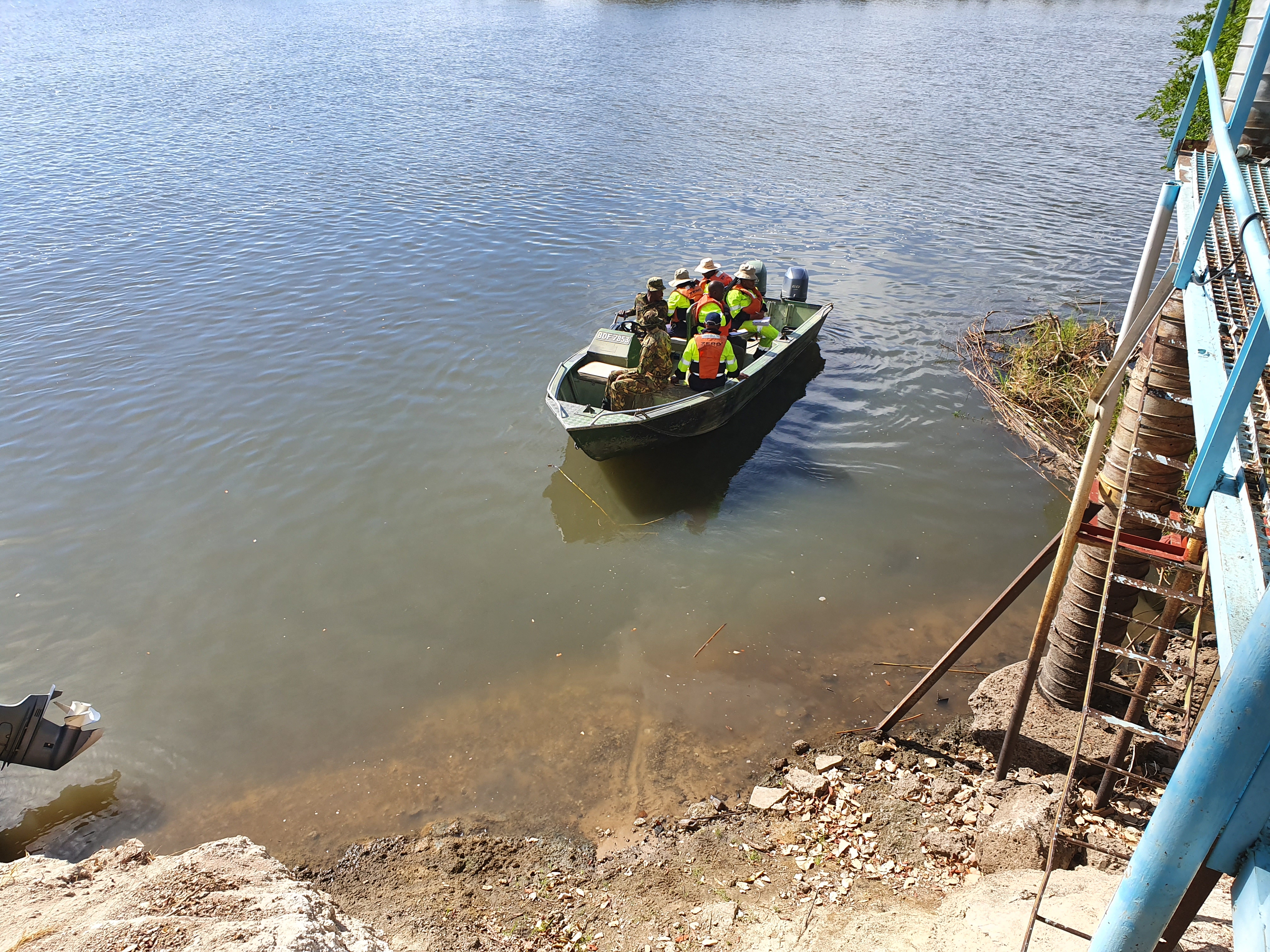
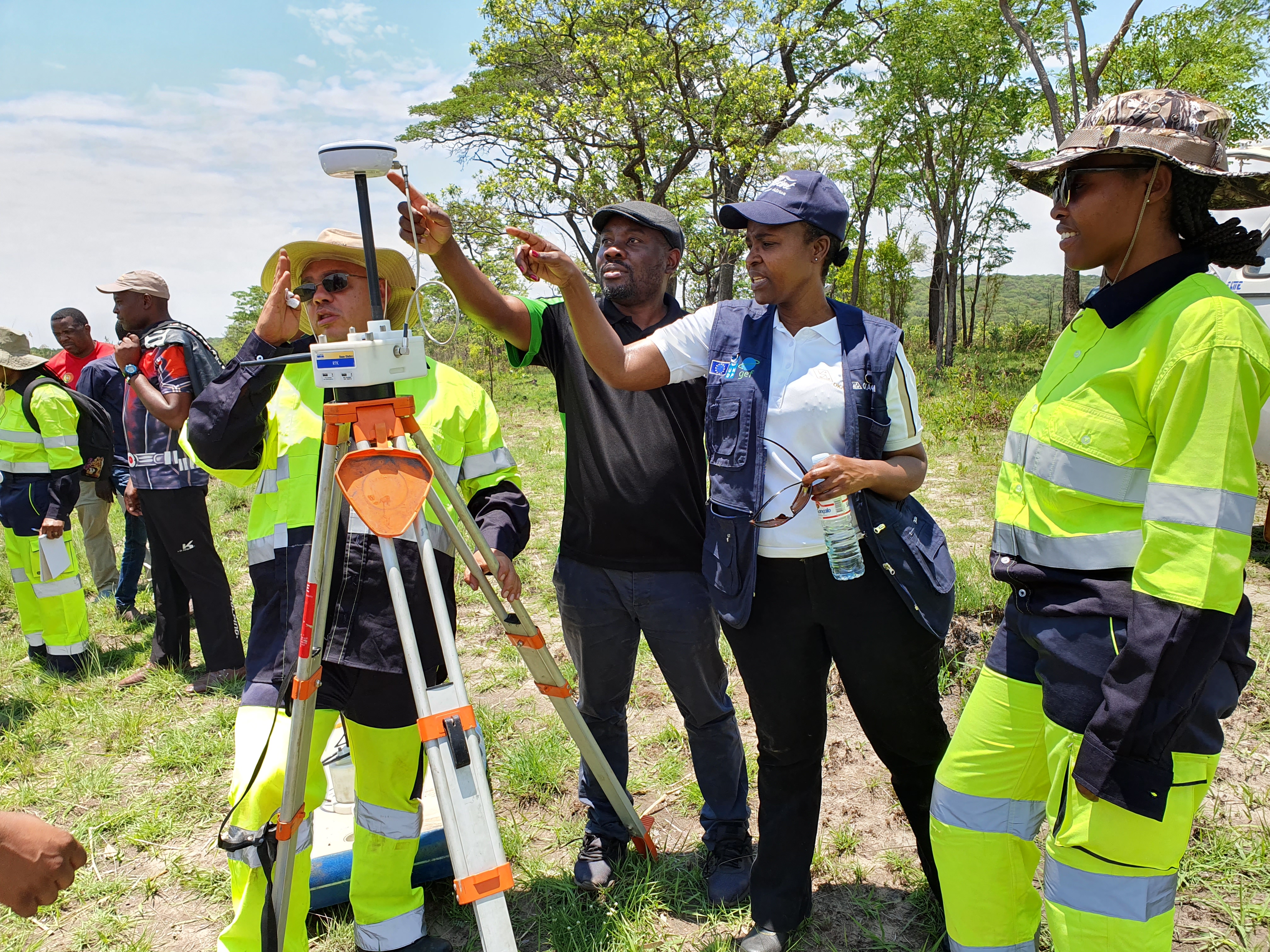
The Cubango-Okavango River Basin (CORB) is one of the world’s relatively undisturbed trans-boundary river basin, with unique hydrological and ecological features. It is endowed with diverse natural resources base which support socio-economic development and livelihoods of an estimate of 1.2 million people living within the Basin. The CORB supports predominantly rural communities living along the network of rivers. Despite a diverse array of livelihoods activities and socio-economic development with potential to negatively impact on the environment, the CORB is still ecologically and environmentally stable. However, a Transboundary Diagnostic Analysis (TDA) carried out in recent years identified some environmental concerns. Critical concerns include variation and reduction of hydrological flows, changes in sediment dynamics, changes in water quality and declining biodiversity. The TDA also identified several threats to the basin water quality which include poor sanitation, poor waste management and agricultural practices with potential to accelerate soil erosion and Sedimentation Rivers within the basin. In addition, the TDA identified glaring environmental data paucity within the three members’ states due to limited monitoring efforts. Unavailability of credible environmental data undermines the development of informed management protocols and assessment of ecosystem health.
To address data challenges, OKACOM is developing a comprehensive Environmental Monitoring Framework (EMF) for the CORB which was preceded by four basin wide Joint Water Quality and Quantity surveys that established baseline conditions. The Joint Surveys were conducted in July and November 2018, May and November 2019. The surveys were conducted by members of the OKACOM Water Resources Technical Committee (WRTC) drawn from various institutions from the member state countries of Angola, Botswana and Namibia. The first survey in July 2018 included a training session on water quality assessment and hydrological flow measurement.
As expected, the survey results demonstrated that the quality of water within the basin is still in good standing, with most parameters reading below the threshold levels, except in very few localised areas, such as the Boro River which is an outlet channel from the Okavango Delta. An interesting scenario is that generally the quality of water declined slightly from the upper part of the catchment in Angola, to the lower part of the basin in Botswana, although most parameters remained within the desired ranges. It is highly likely that the quality of water in lower catchment of the basin is influenced by socio-economic activities which include urbanisation and tourism development. Meanwhile hydrological flows also varied spatially and temporally as expected, with an apparent cumulative quantities of flows in the lower catchment after rivers have converged into a single channel in the middle part of the catchment within Namibia. The four surveys generated useful data and information which will be used to develop basin wide monitoring plans. The EMF is currently under development and will guide how OKACOM undertakes the CORB monitoring.
subscribe for news notification by email
Photo Credit: Kostatin Luchansky, National Geographic, Okavango Wilderness Project.


