- Home
- About Us
- Background
- Mandate
- Cubango Okavango River Basin
- Governance
- Strategy and Approach
- Member States
- Our Work
- Partners
- Climate Resilient Infrastructure Development Facility (CRIDF)
- European Union (EU)
- Southern African Development Community (SADC)
- Swedish International Development Cooperation Agency (SIDA)
- The World Bank (WB)
- United Nations Development Programme (UNDP)
- United States Agency For International Development (USAID)
- Resources
- News and Events
- Opportunities
- Contact Us
- FAQ's
- Connect With Us
- i
- t
- f


Freshwater Health Index for The Basin
Wednesday, March 4, 2020
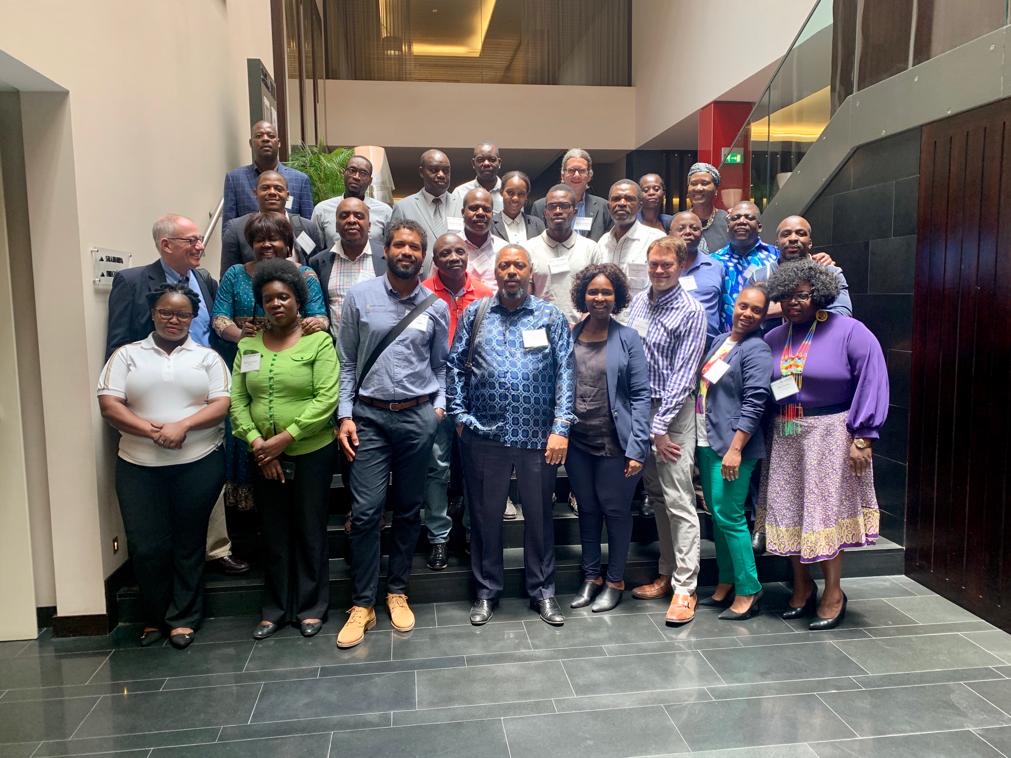
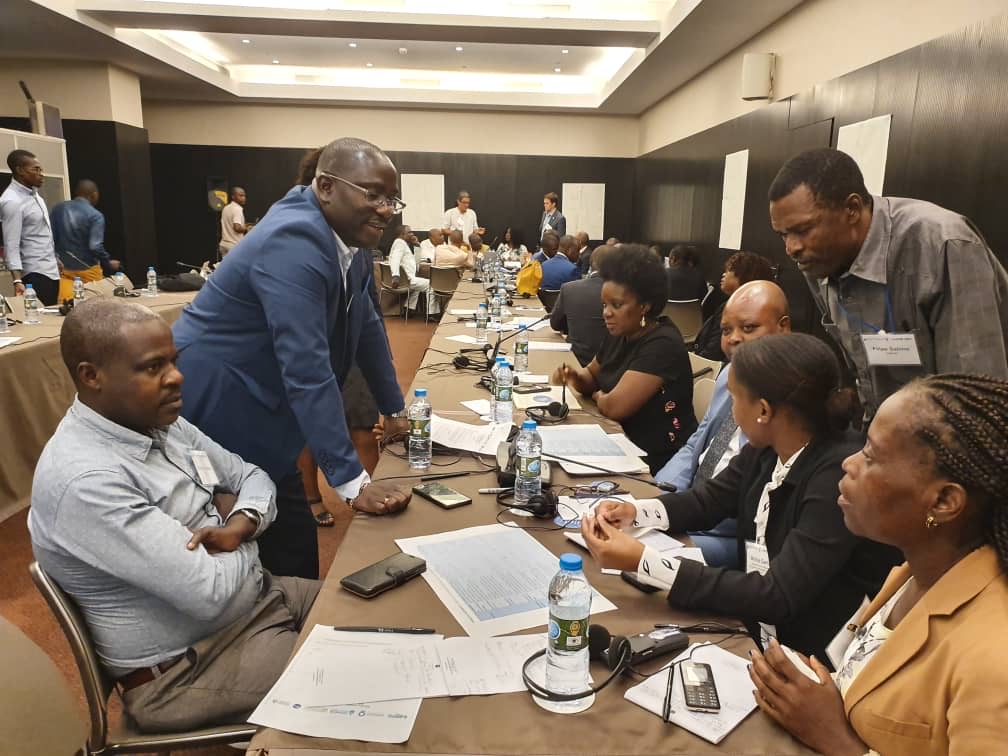
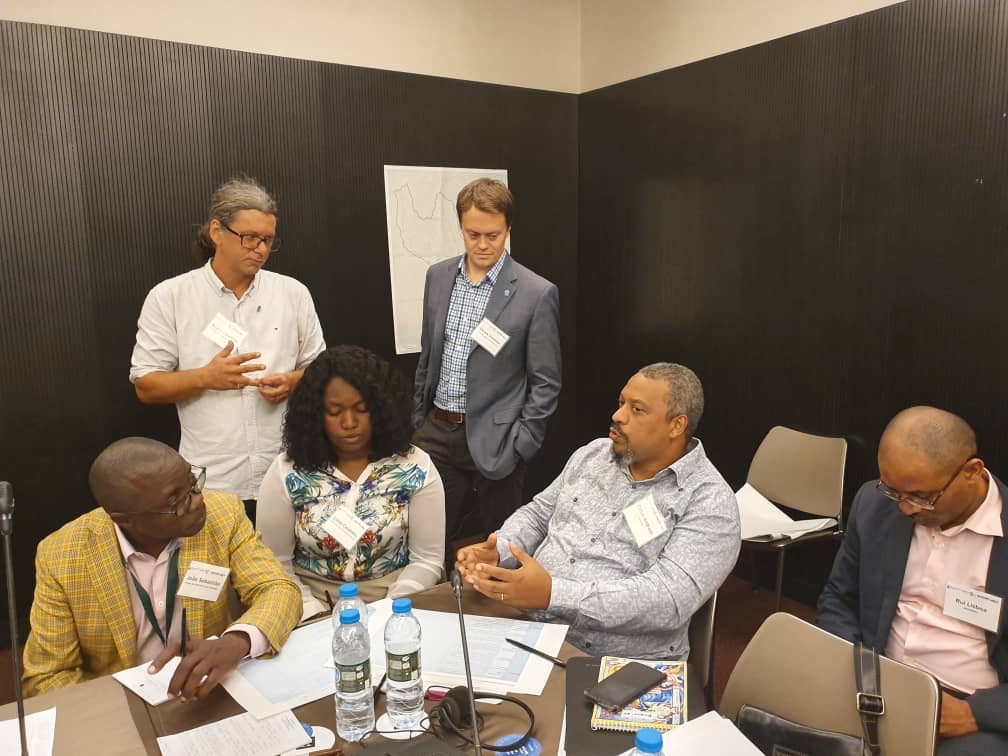
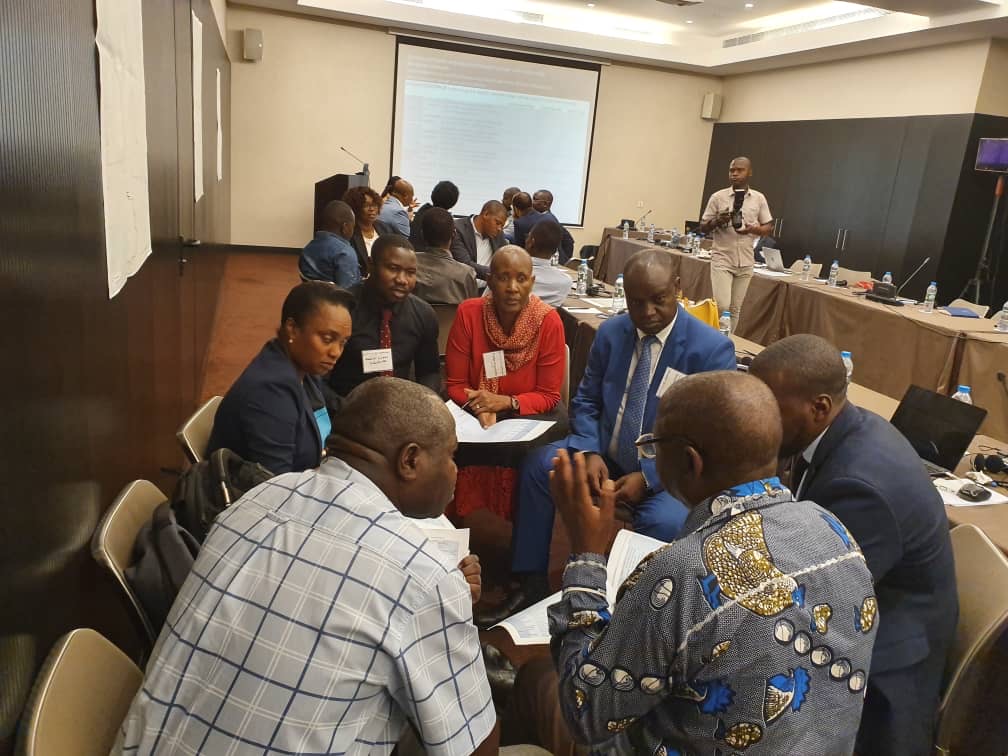
In partnership with Conservation International (CI) and Gabinete para Administração da Bacia Hidrográfica do Rio Cunene (GABHIC), OKACOM held a two day workshop on the Freshwater Health Index (FHI) on 3-4 March 2020 in Luanda, Angola. The FHI is a tool which evaluates different indicators of ecosystem vitality, ecosystem services and water governance to provide an overview of the hydrological status of the Cubango-Okavango River Basin (CORB). The workshop aimed to introduce the FHI framework and share preliminary results from the Angolan part of the Basin. Participants included key players in the management of the CORB such as members of the Water Resource Technical Committee (WRTC), Okavango River Basin Commission Steering Committee (OBSC), OKACOM Secretariat, provincial partners, National Geographic and NGOs. As one of the supporting partners, CI aims to establish synergies and strengthen alliances with OKACOM whilst contributing a sustainable model of integrated watershed management in the context of the OKACOM activities and GABHIC aspirations for the region.
The workshop specifically discussed datasets that support the calculations of the FHI indicators, identified stakeholder’s priorities for FHI assessment and discussed capacity building needs for application of the FHI tool. How the FHI links to other initiatives and sources of information in the Basin was also discussed and additionally how the tool could be applied to the headwaters of the Cubango-Okavango River Basin in Angola. In his opening remarks, the Angola OBSC Co-Chair, Carlos Andrade said “I am grateful for the partnership between CI and OKACOM. I am hopeful that this initiative will add value to the process of OKACOM and enhance the skills base of the technical personnel within the Basin”. He also commended the synergy between the FHI and the Decision Support System (DSS) in building a robust data system to possibly support the generation of State of the Basin reports. He further encouraged the participants to utilize the skills not only in the CORB but in other Basins in Angola. The OKACOM Programme Coordinator, Tracy Molefi, noted that “OKACOM has an interest in leveraging on technical collaboration amongst other stakeholders, to initiate actions that will enhance the sustainable management of the Basin. This also speaks to the generation of data and knowledge through application of tools such as the FHI. This collaboration creates opportunities for strengthening other key activities which OKACOM is implementing as outlined in the Strategic Action Plan such as the Decision Support System”.
The workshop took on engaging and interactive approach with group sessions and plenary discussions. Participants agreed that the FHI is a relevant application which will allow CORB managers at different levels to respond to various indicators and ultimately generate the much needed knowledge and consistency for management strategies, at both national and trans-boundary levels. The workshop also identified the need to engage in comprehensive research, data verification and systematic analysis to refine the index in order to bring about more accurate results on the ecosystem vitality, quality and governance status of the Cubango-Okavango River Basin. A similar tool will be introduced to the other CORB member states of Botswana and Namibia in due course in order to confirm information about their part of the Basin while enhancing the trans-boundary linkages.
subscribe for news notification by email
Photo Credit: Kostatin Luchansky, National Geographic, Okavango Wilderness Project.


